


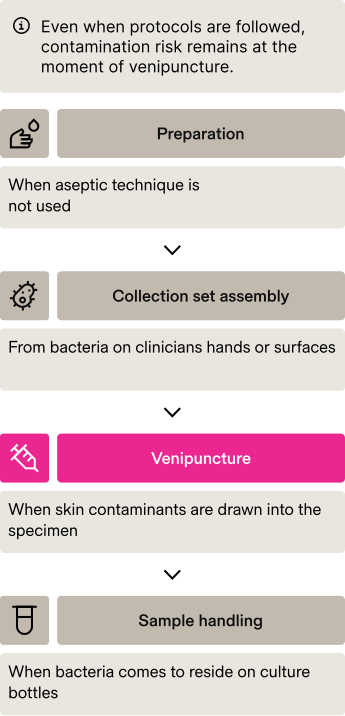
Several points of potential contamination exist during routine blood culture collection.
Consequences and Causes of Contamination
Blood culture contamination is a preventable failure that drives avoidable sepsis costs, longer stays, and regulatory risk.
Video
Cry Wolf: Consequences of false positive blood cultures
Expert clinicians highlight the high cost of BCC for both patients and hospitals and share a consensus that caregiver compliance with best practices can reduce false positives blood cultures.
.avif)

How low can you go?
At a 3%11 contamination rate, roughly 1 in 3 positive results may be false.
< 1% is now achievable.
Why are blood cultures contaminated?
1
Sources of contamination

2
The most common contaminant
Skin microbes reside both on the surface and deep in the epidermis, unreachable by skin antisepsis. Cored by the needle, these contaminants may travel into the blood specimen during venipuncture.


Best practice alone is not enough.
Skin microbes can be automatically diverted before ever reaching the specimen bottle. The question is no longer whether contamination can be reduced, it's whether your current process can meet the new standard of < 1%.